


OUR STORY
Nebula started as a collaboration between a demanding coffee roaster and a fermentation-focused food engineer — two people looking at coffee from different angles, but with the same intolerance for boring results.
One side of Nebula comes from roasting: precise, stubborn, and allergic to lazy choices. We look for coffees that can hold tension — clean but not sterile, elegant but not too polite, unusual without trying too hard.
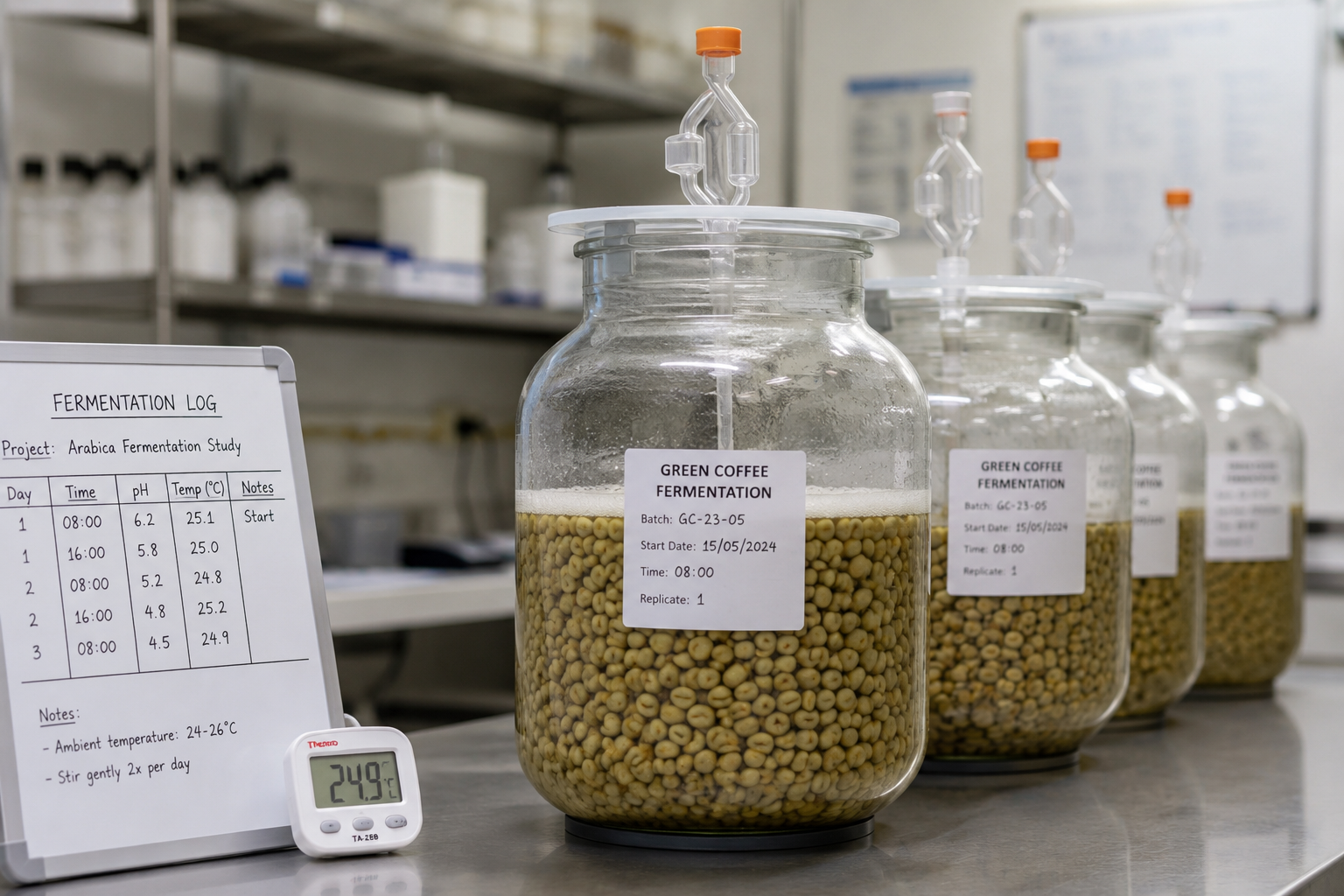
The other side comes from food science and fermentation: bioreactors, cultures, controlled variables, and the habit of questioning every process that others treat as fixed. Not because coffee needs gimmicks, but because great raw material deserves more than routine.
WHAT MAKES NEBULA DIFFERENT
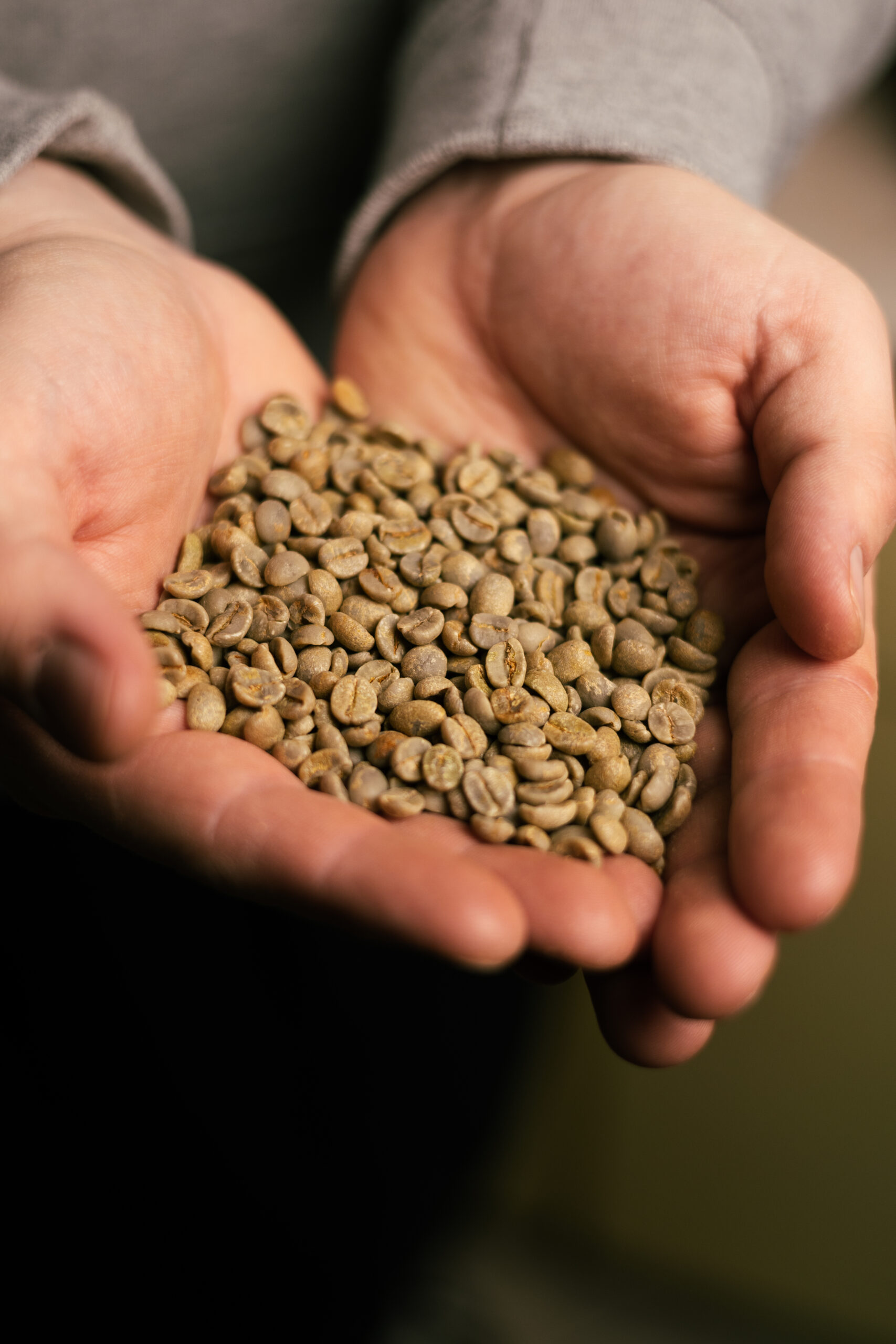
WE CHOOSE COFFEE THE HARD WAY
At Nebula, coffee selection does not start with what is easiest to sell. It starts with what is genuinely interesting. We look for coffees with clarity, structure, personality and a little bit of tension — the kind of green lots that make a roaster stop, taste again, and start asking questions.
Our roaster is not easily convinced by economic arguments. A coffee does not get selected because it is convenient, predictable or commercially obvious. It gets selected when there is something in it worth chasing — something that asks for time, attention and a less obvious roast.
This means our selection process is slower, more demanding and occasionally impractical — which is exactly the point. We would rather work with fewer coffees that have a reason to exist than build a menu around safe choices. Every lot we choose has to earn its place.
WHERE MINERALS MEET MICROBES
The second part of Nebula is still very much in research mode: controlled secondary fermentations using selected microbial cultures grown in bioreactors with rare-composition mineral waters from the Eastern Carpathians.
These waters are not just a nice regional detail. Their mineral profiles may influence how the cultures grow, how they metabolize, and what kind of aromatic compounds they help create during fermentation. In other words, the water becomes part of the process — not as flavouring, but as a fermentation environment with its own character.
We are exploring whether this mineral-driven approach can add another layer to specialty coffee: more texture, more aromatic depth, a different kind of acidity, or a subtle mineral tension in the cup. At this stage, it is still research, not a finished recipe. We test, adjust, taste, document, and repeat.
For us, fermentation is not about making coffee taste like something else. It is about seeing what coffee can become when high-quality green lots, careful roasting, microbes, mineral water and curiosity are allowed to work together.